Every Rust wipe hands you a brand new procedural map, so the coordinates you scrawled on a napkin last Thursday are worthless today. What does not change is the underlying logic of what makes a spot worth building on. Biome tradeoffs, monument risk versus reward, and terrain that funnels raiders into your turrets instead of your loot room stay the same wipe after wipe. This wipe there is one genuinely new variable in that equation: the Power Trip update's island-wide electrical grid, which just turned a handful of previously unremarkable monuments into some of the most fought-over real estate on the map.
What Actually Makes a Good Spot
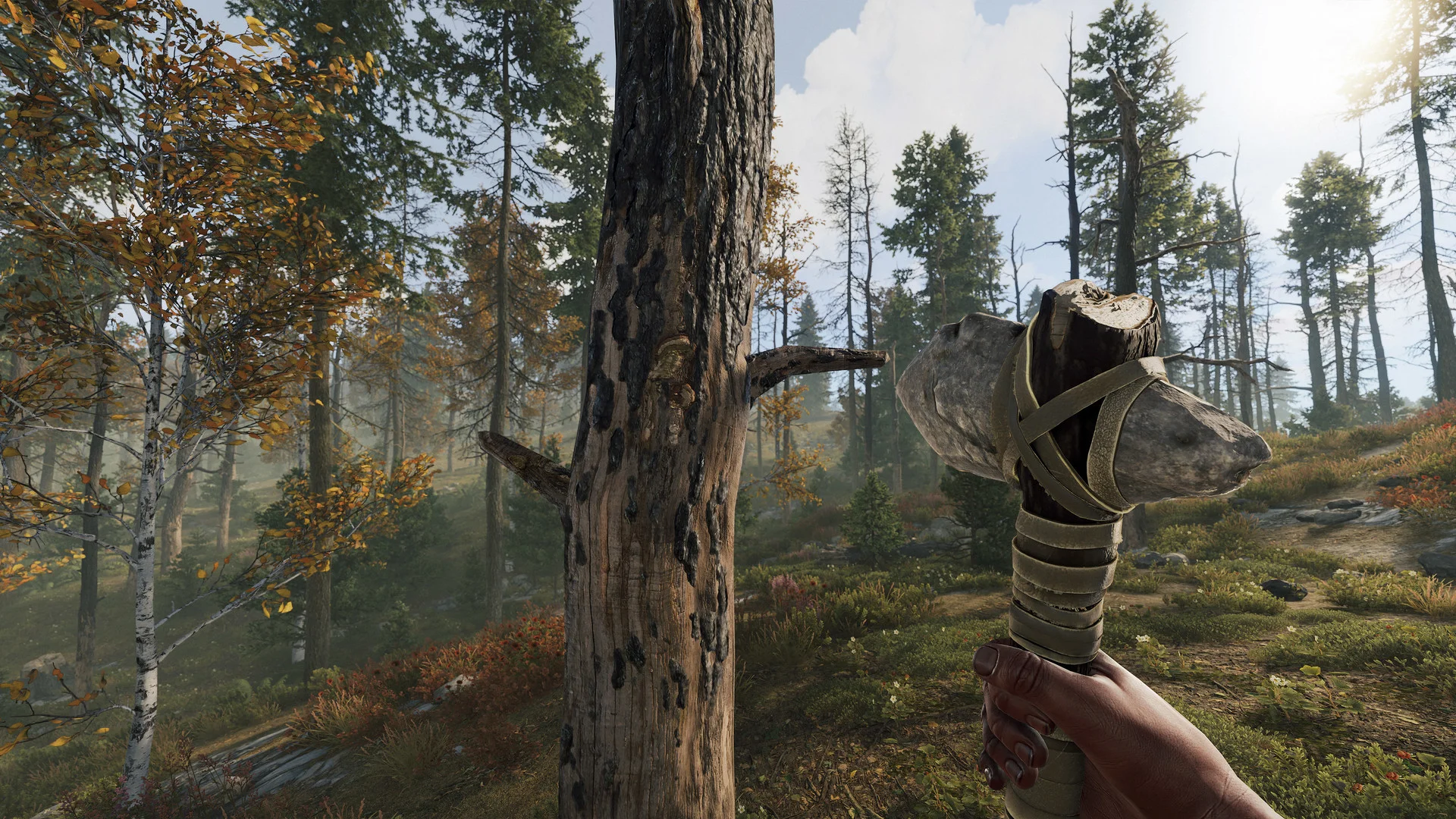
Forget "close to a monument" as a rule of thumb. It is a starting point, not an answer. A good base location balances four things:
- Resource access. Sulfur and HQM nodes within a short farming loop matter more in week one than anything else. A base ringed by low-grade nodes forces you onto the road early, which is when you are weakest.
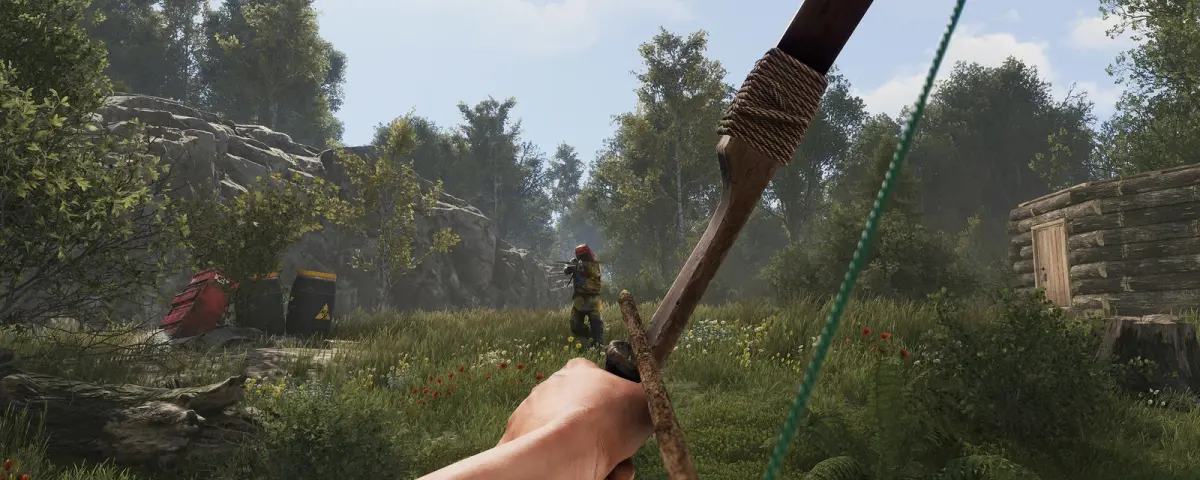
- Approach terrain. Rust's raid meta punishes bases that anyone can walk straight up to. Cliffs, water gaps, and rock formations that force an attacker to commit to a single approach line turn your turrets and traps from decoration into a real deterrent.
- Monument distance. Far enough that random PvE loot runs and zerg patrols do not walk past your walls every ten minutes, close enough that a scrap or component run does not eat your whole evening.
- Radiation exposure. A base half-inside a radiation zone looks clever on paper and gets abandoned by week two once your group is burning through hazmat suits just to check the TC.
Playstyle Breakdown
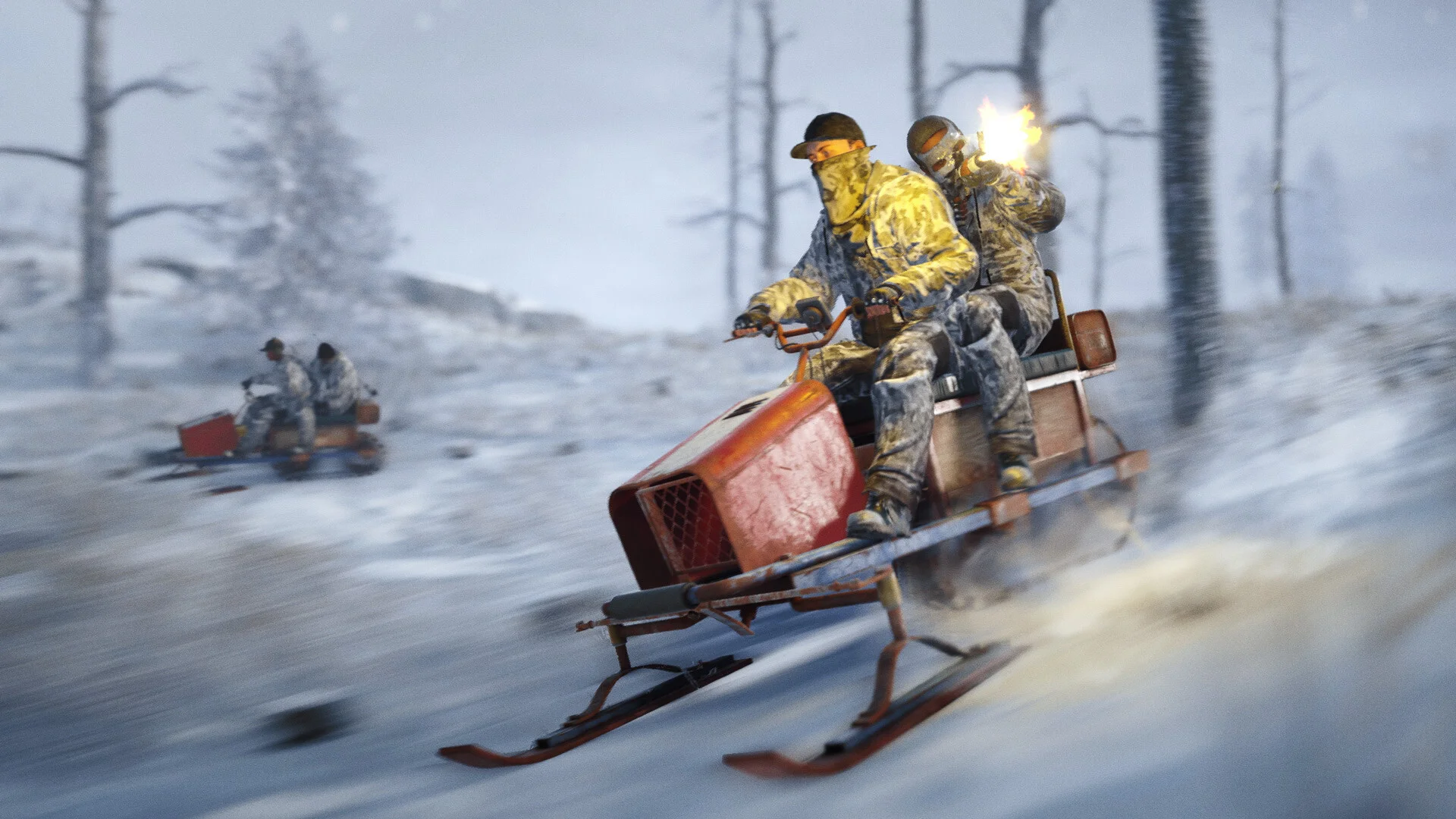
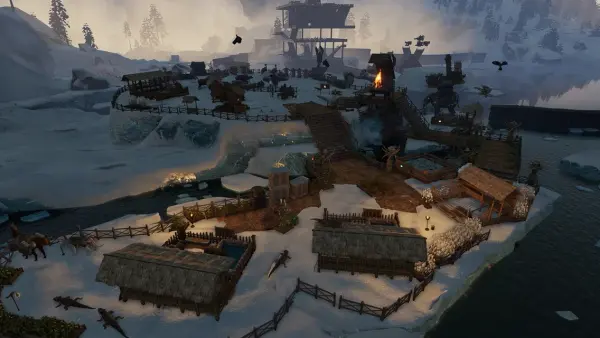
Solo and duo: water-adjacent spots near the coast or a lake give you a boat escape route and usually cut your approach angles from four to two. Snow biome plots trade a slower farming start for genuine isolation. Fewer zergs bother scouting deep snow because the walk in is miserable for them too.
Small groups (trio to six): road-adjacent bases near a mid-tier monument like Water Treatment Plant or Sewer Branch hit the sweet spot. Enough loot density to gear up fast, enough distance from the true high-tier monuments (Launch Site, Airfield, Dome) that you are not competing with the server's best-geared zerg for the same crates.
Zergs and PvP-focused clans: building within sight of a road junction or train tunnel entrance lets you camp traffic and farm PvP kills passively, which was always viable but is now worth reconsidering given the grid changes below.
How Power Trip Changes the Math
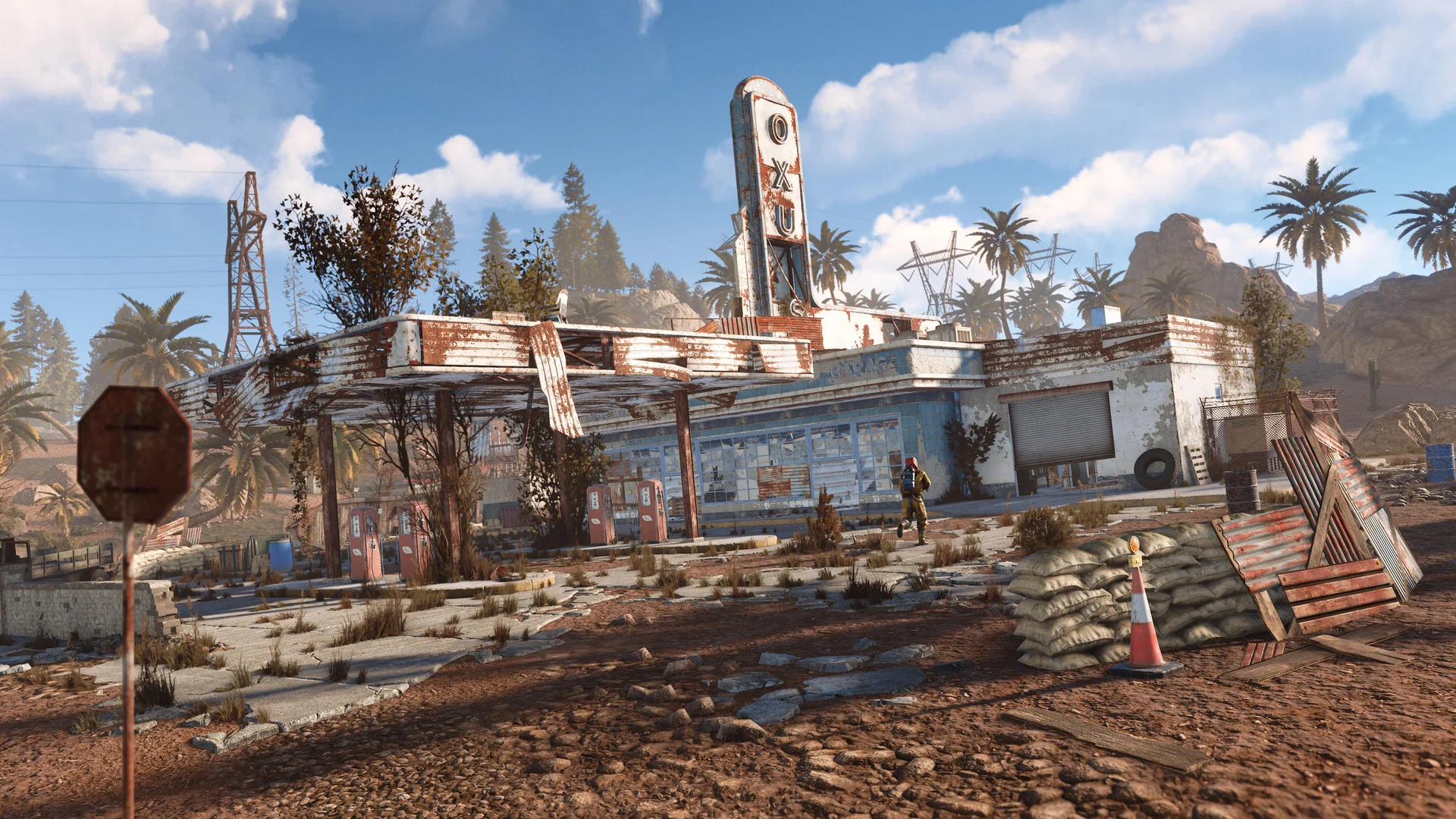
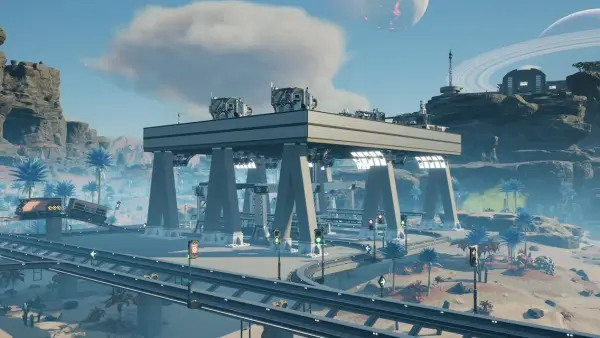
The Power Trip update wired Power Plant, Launch Site, Dome, Oil Rig, Airfield, Water Treatment Plant, Oxum's Gas Station, the Supermarket, and a handful of roadside points into a single electrical grid. Heavy Fuses installed at Power Plant bring the grid online and degrade over time, so someone has to keep feeding fuses in to keep the connected monuments powered. Roadside transformers on power poles now also feed nearby circuits directly.
Practical tip: a transformer-adjacent roadside plot is now a legitimate free power source for early external lighting or a small furnace array, without running your own generator or wiring a windmill. It comes with a catch. Anything visibly tapping the grid near a road is also visibly announcing your base to anyone driving past, so weigh the convenience against the extra eyes.
The bigger shift is around Power Plant itself. Because it is now the single point of failure for the whole grid, expect it to draw more consistent traffic than it used to as a mid-tier monument. Building your main base within a few hundred meters used to mean occasional loot-run foot traffic. This wipe it can mean regular contested fights over who gets to keep the fuses topped up, which is either a farming opportunity or a liability depending on how confident you are in a fight.
Spots to Avoid
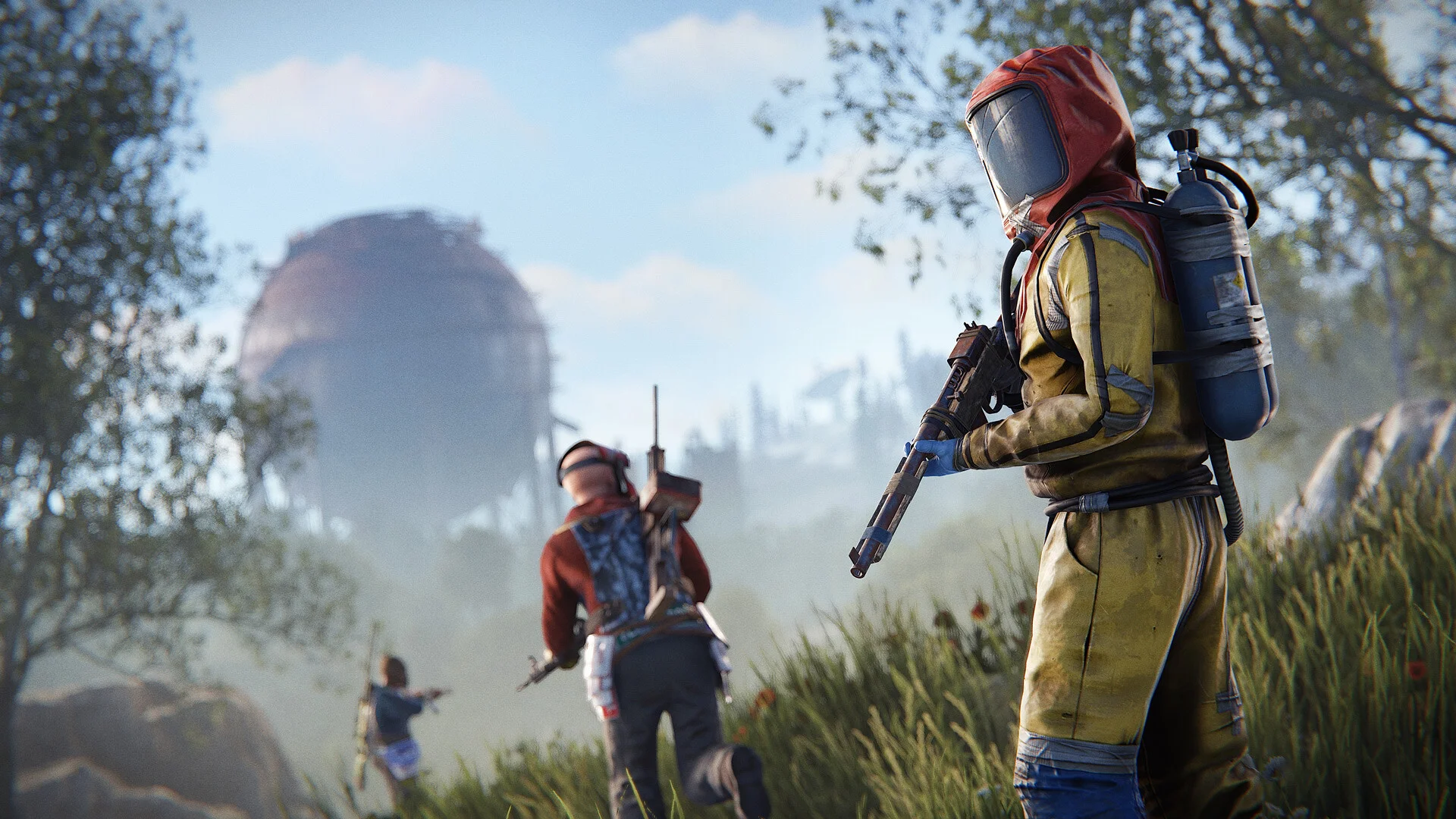
Foundations that clip awkwardly into rock formations look defensible until you realize half your walls will not place cleanly and you have spent an hour repositioning instead of farming. Pure triangle bases squeezed onto small islands or cliff edges save building cost but usually only have one real loot room configuration, which experienced raiders learn to predict fast. And anything genuinely inside a permanent radiation zone is a novelty base, not a serious one, unless your whole group is running a hazmat rotation as a matter of course.
Finding Your Spot Fast on Wipe Day
You do not get to scout for an hour when the server drops at wipe time. Load the in-game map (M) the moment you spawn, look for the biome and monument layout relative to the coastline, and pick two or three candidate zones before you start running. Prioritize a spot within a two-minute run of a stone or metal node cluster over a marginally better defensive position, since the first twenty minutes of a wipe are decided by who gets building materials fastest, not who found the prettiest cliff.
Running the server yourself removes one variable from that equation entirely: you control when the wipe actually happens. A DoomHosting Rust server lets you schedule the wipe for a time your group is actually online and ready, rather than hoping you are free whenever the public server operator decides to force it. One-click Oxide and uMod plugin installs mean your group's base-alarm, teleport, or clan plugins are running before the first player connects, full FTP access lets you tune server.cfg and the map seed ahead of time, and DDoS protection keeps a contested Power Plant fight from turning into a server-wide lag spike. Pick your biome, pick your monument, and let the terrain do the rest of the work.