
Taming in Icarus is not one system, it is three. Mounts come from juveniles you raise, pets come from snare traps and bait, and livestock arrives from orbit through the Workshop. Breeding then sits on top of all of it with Fertility Serums, seven genotype stats and a bloodline lottery. Most players learn this the hard way, usually by losing a half-tamed Moa calf to a bear. This guide walks through how to tame animals in Icarus, which creatures you can tame, how breeding really works, and what changes when your tames live on a dedicated server instead of your own PC.
How to tame a mount in Icarus

Mounts are tamed as juveniles only. You cannot tame a grown Buffalo or Moa, so if a species has no juvenile version near you, it is not tameable there. The process:
- Find a juvenile. They usually walk beside an adult. Kill the adult first, or the calf keeps following its parent instead of you.
- Press F next to the juvenile so it follows you home.
- Build a taming area. It needs an Animal Bed and a Food Trough (a Water Trough helps too). The juvenile has to be fed, dry and inside a comfortable temperature range to count as happy.
- Protect it. Juveniles do not fight back. Wall the area in or place a Creature Deterrent, because a wolf pack will happily finish your project for you.
- Wait for the bar. Taming takes roughly 12 to 30 minutes depending on your talents and how long the animal spent unhappy. When it fills, the juvenile matures and you claim it.
Once claimed, a mount belongs to one prospector, and other players cannot command it. Craft a Basic Riding Saddle at the Ranching Station to ride it, and drop a Hitching Post so it stops wandering off. Mounts level to 50 and earn 50 talent points in their own tree.
Which mount to raise first: the Moa is the fastest mount and lives in temperate and desert zones on Olympus, Styx and Prometheus. The Buffalo is slower but hauls packs and carts, which makes it the ore truck of the game. The Terrenus is very common and easy to find, but only takes saddles. The Tusker on Styx is the slowest and strongest and takes all three equipment types. The Woolly Mammoth (arctic regions, the juvenile only spawns with its parent about a quarter of the time) and the swamp-dwelling Ubis on Prometheus and Elysium round out the list, and the Arctic Moa is the cold-weather Moa variant.
How to tame wolves and other pets
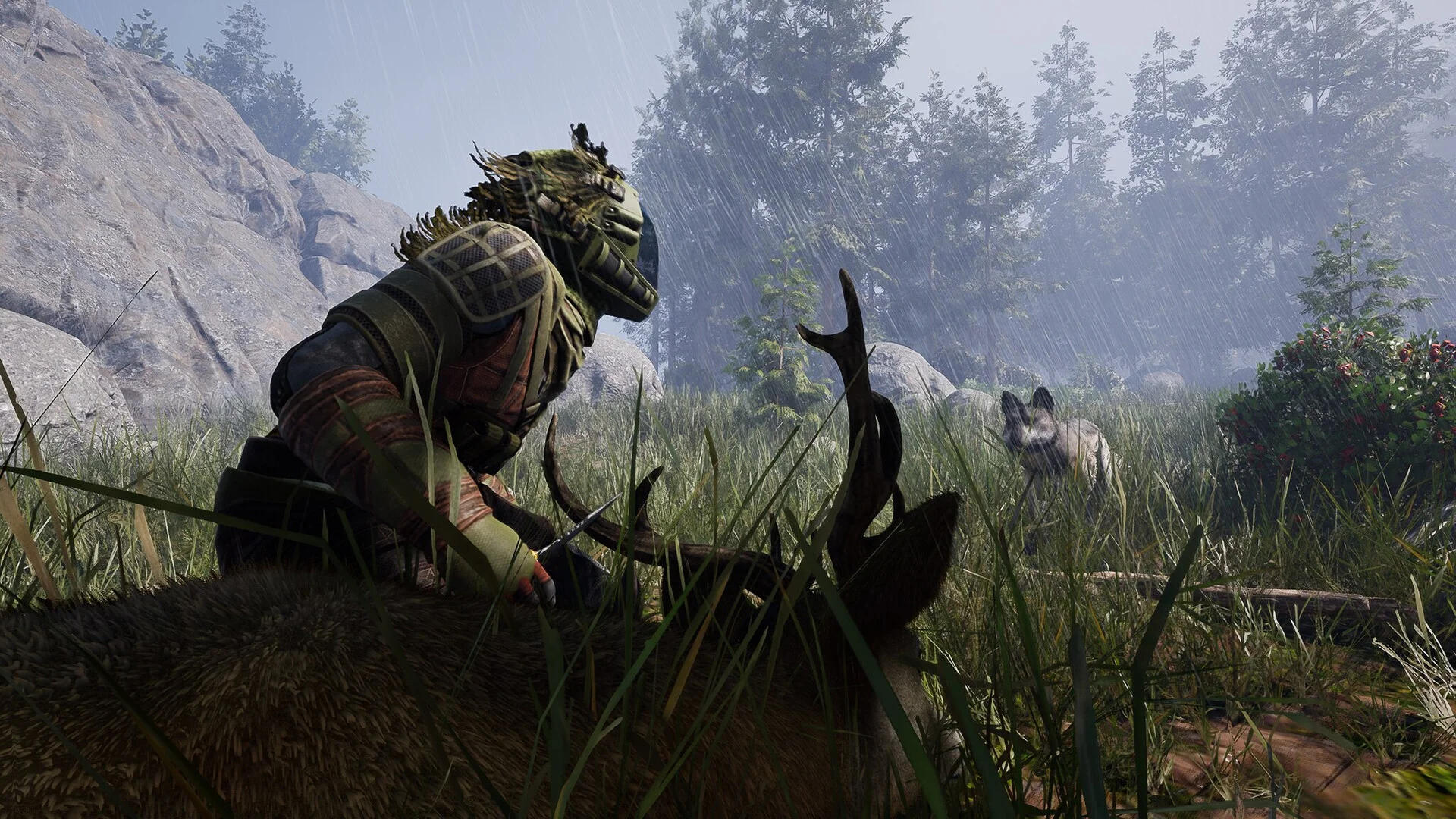
Pets skip the juvenile route entirely. You catch them alive with a Snare Trap and the right bait in the right biome:
| Pet | Bait | Biome |
|---|---|---|
| Wolf | Wolf Bait | Forest, Grassland |
| Snow Wolf | Wolf Bait | Arctic |
| Wild Boar | Wild Boar Bait | Forest, Grassland |
| Hyena | Hyena Bait | Desert, Volcanic |
| Kiwi | Kiwi Bait | Forest |
Once something is snared, stay within the same map grid square, or the animal despawns. Keep hostile creatures away, feed the captive a carcass, and after about ten minutes it becomes tameable. Its level resets to 1. Pets cap at level 25 with 25 talent points, and their talents lean towards support: help on hunts, or auras such as lower oxygen use and faster health regeneration. A Wolf is the classic first pet because Wolf Bait is cheap and forests are everywhere.
Livestock is a different route again. Cows and Bulls, Chickens, Sheep and Pigs are researched in the Workshop and delivered to the surface through an Orbital Exchange Interface. Dogs, Cats and the Horse come the same way through the Pet Companions DLC.
Feeding: what tames actually eat
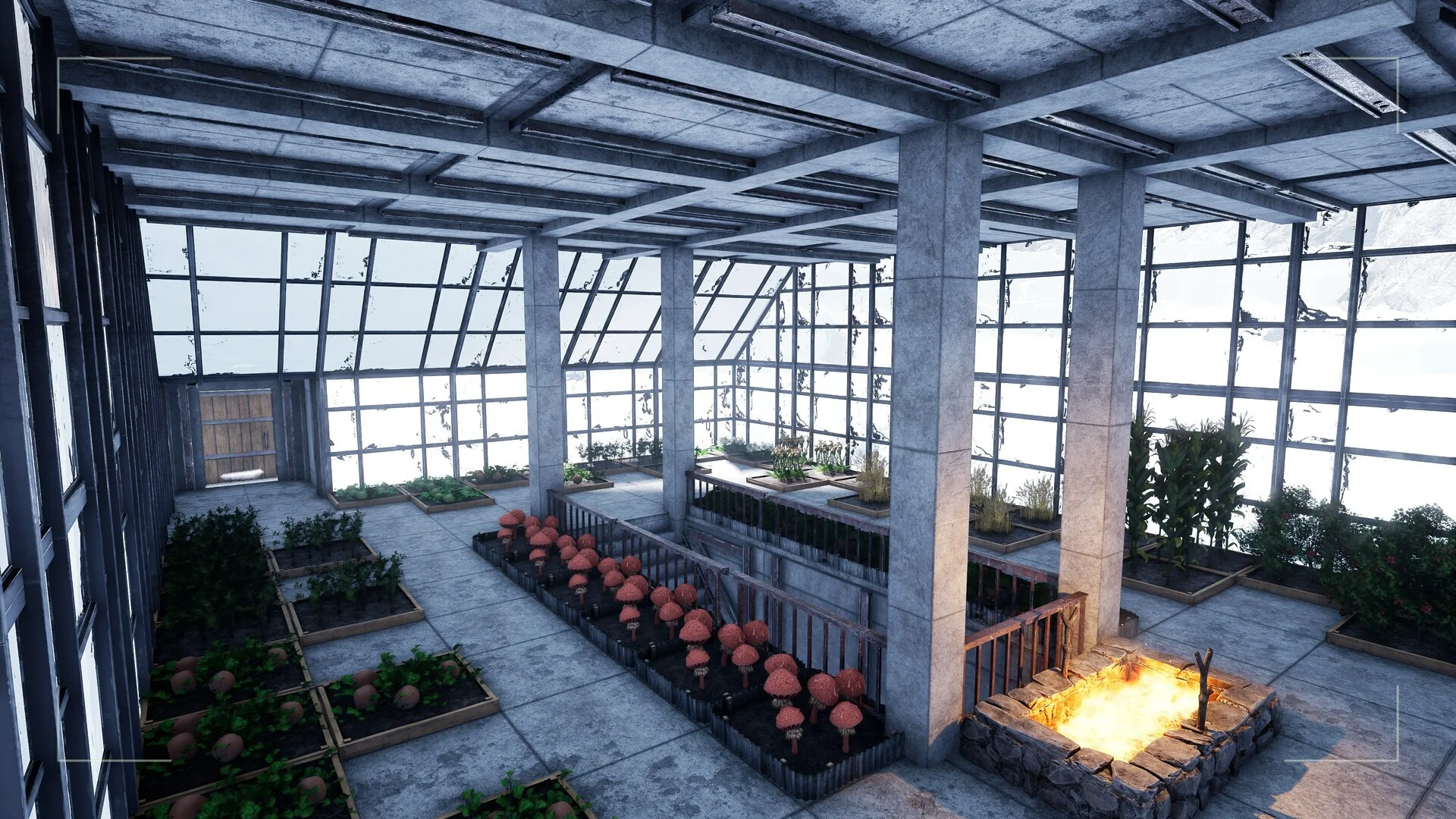
Mounts and pets need food and water, but they do not die from hunger or thirst. Instead they take penalties to movement speed, health regeneration and stamina regeneration, which is exactly when you discover your Moa has stopped sprinting halfway across Styx. Fill troughs, or feed by hand with a water container and fruit, vegetables or Animal Feed. Players report tames eat almost anything in the trough, and corn is an easy staple, so a small greenhouse pays for itself quickly. Each tame holds two active food buffs at once, and talents can raise buff strength, duration and the number of food slots.
How breeding works: serums, genotypes and bloodlines
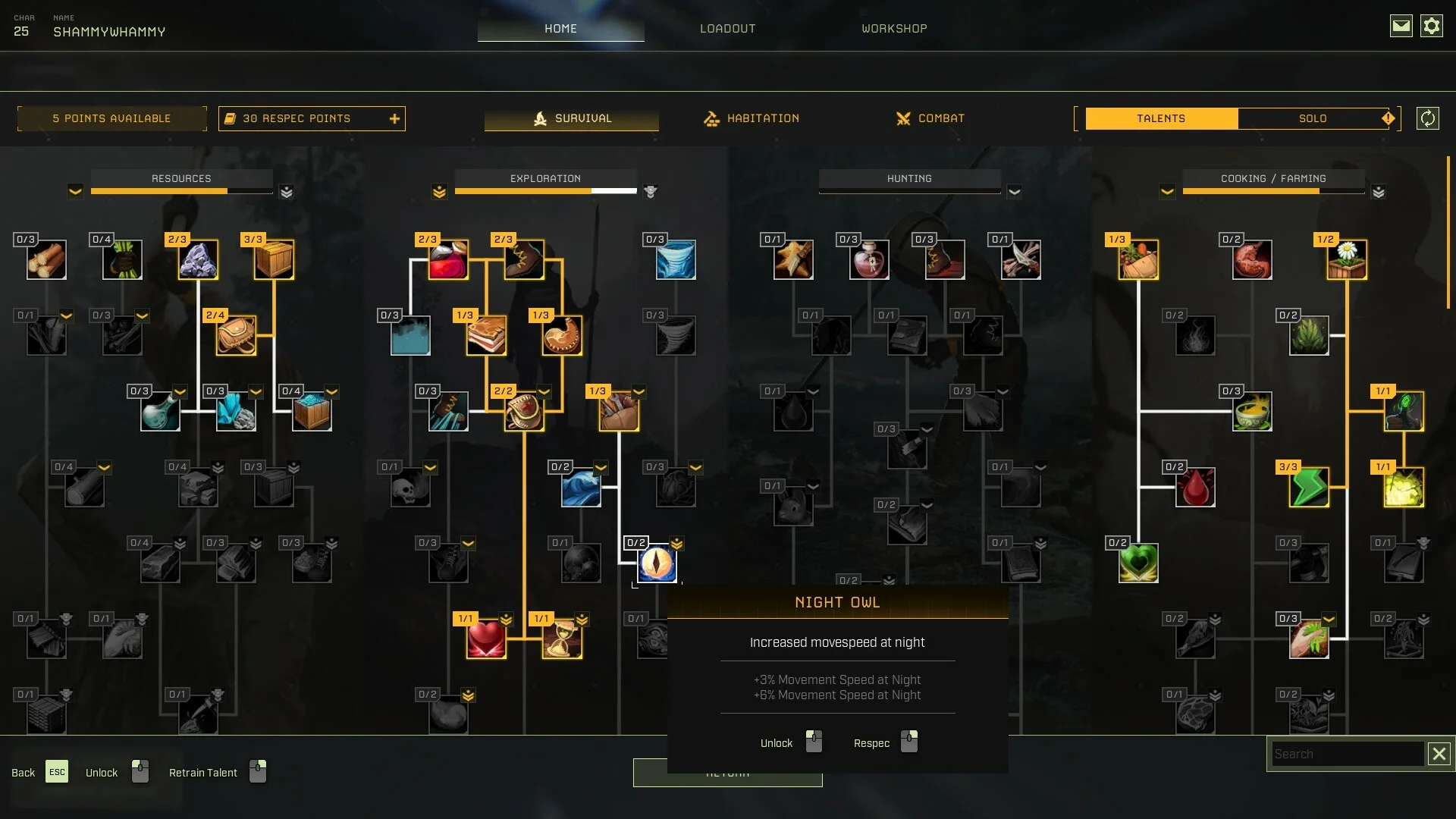
Breeding needs a male, a female and a species-specific Fertility Serum, crafted at the Ranching Station. Recipes differ per animal. The Buffalo serum, for example, takes 10 herbs plus 3 Condensed Enzymes (or 5 exotics instead of the enzymes). Apply the serum to the male, keep both animals well fed, and he fertilizes a nearby female. Gestation shows in the UI and in chat, its length depends on the species and can be shortened by talents and the Animal Nesting Bed, and the mother needs a recovery period before the next round.
Every tame carries seven genotype stats: Vigor, Fitness, Physique, Reflex, Toughness, Adaptation and Instinct. Each runs from 0 to 10, with 3 as the wild baseline. Values above 3 raise the creature's stats, values below 3 lower them, and the total tops out at 60. Separately, bloodlines add new stats as a creature levels. From most common to rarest: Wild, Brave, Careful, Timid, Bold, Hardy, Stout, Ambitious, Resolute, Unstable, Savage and Alpha.
The community method for a max-stat tame is simple and slow:
- Add up each parent's seven stats.
- Breed, then compare. A daughter with a higher total replaces the mother, a son with a higher total replaces the father.
- Cull offspring that are not better, and repeat until the total hits 60.
- Add the bloodline last. It is only a chance to pass on, so it is often easier to find a wild animal with the bloodline you want and breed it in.
Rename every animal with its stat total and bloodline, or you will lose track by the third generation. Points in the Genetics talent tree help with spotting rare genotypes, phenotypes (skins) and bloodlines.
Taming on a dedicated server: what changes
A dedicated server is where breeding projects actually make sense, but there is one trap. An Icarus prospect only runs while the server has it loaded, and the server's ShutdownIfEmptyFor setting in ServerSettings.ini (300 seconds by default) shuts the session down once the last player leaves. While the prospect is unloaded, nothing is simulated: no taming bar, no gestation, no growth. If your group logs off expecting a calf to mature overnight, it will not.
A few habits that save grief on a shared server:
- Raise the empty timer if you want the world to keep ticking between sessions. Several guides note that 0 shuts the server down immediately rather than disabling the timer, so test a negative value on your own build and watch the console.
- Plan RAM for a ranch. Every tame is another AI actor. Our Icarus profile assumes about 0.6 GB per player on top of the base footprint, and a big breeding pen pushes it higher. The Icarus RAM calculator gives a quick estimate.
- Take a backup before a breeding marathon. A raid, a stampede or a bad update can wipe out ten generations of work in a minute.
- Agree on ownership. Mounts belong to the prospector who claimed them, so decide who raises what before the arguments start.
Host your Icarus server with DoomHosting
Want a persistent prospect where your Buffalo herd is still there next weekend? Rent an Icarus server from DoomHosting with instant setup, full FTP access to ServerSettings.ini, DDoS protection and 24/7 support. Raise the calf, breed the Alpha, and let the server keep the ranch safe.