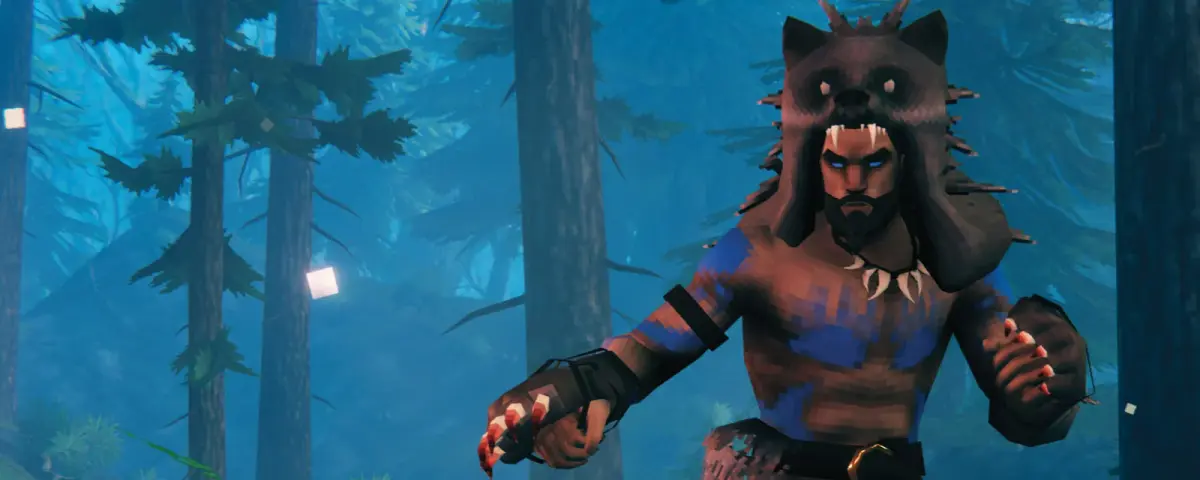
Where you build your first longhouse in Valheim sets the rhythm of your whole save: how far you sail for ore, how often a Troll or a Greydwarf raid tests your walls, and, on a dedicated server, how much your host's hardware strains every time you raise a wall of earth. After running Valheim servers since early access and into the 1.0 era, these are the base locations that hold up in 2026 for solo Vikings and for a full crew, with the server cost of each one made clear so you build something that stays smooth.

What Actually Makes a Base Location Good
A pretty fjord does not win the game. On a real server, three things decide whether a base location is good:
- Biome borders in reach: how many biomes touch your spot, because each one gates a metal you cannot skip (copper in the Black Forest, iron in the Swamp, silver in the Mountains)
- Ocean access: whether you can dock a Karve or Longship, since ore cannot go through portals and every metal run is a boat trip
- Server footprint: how many structure pieces and how much terraforming the spot tempts you into, because both are the heaviest load a Valheim server carries
That last point is the one server owners feel hard, and it is unique to Valheim. Raising and digging terrain is one of the most expensive things you can do to a Valheim world, and a base ringed by a hand-dug moat and raised earth walls will cost far more performance than the same base defended with wood and stake walls. On the servers we host, the worlds that lag in multiplayer are almost always the ones with heavy terraforming, not the ones with the most buildings. If your server is stuttering or dropping players, our guide to fixing Valheim server disconnects covers the usual culprits, and terraforming is high on the list.
Best Starter Base: Central Meadows on a Black Forest Border
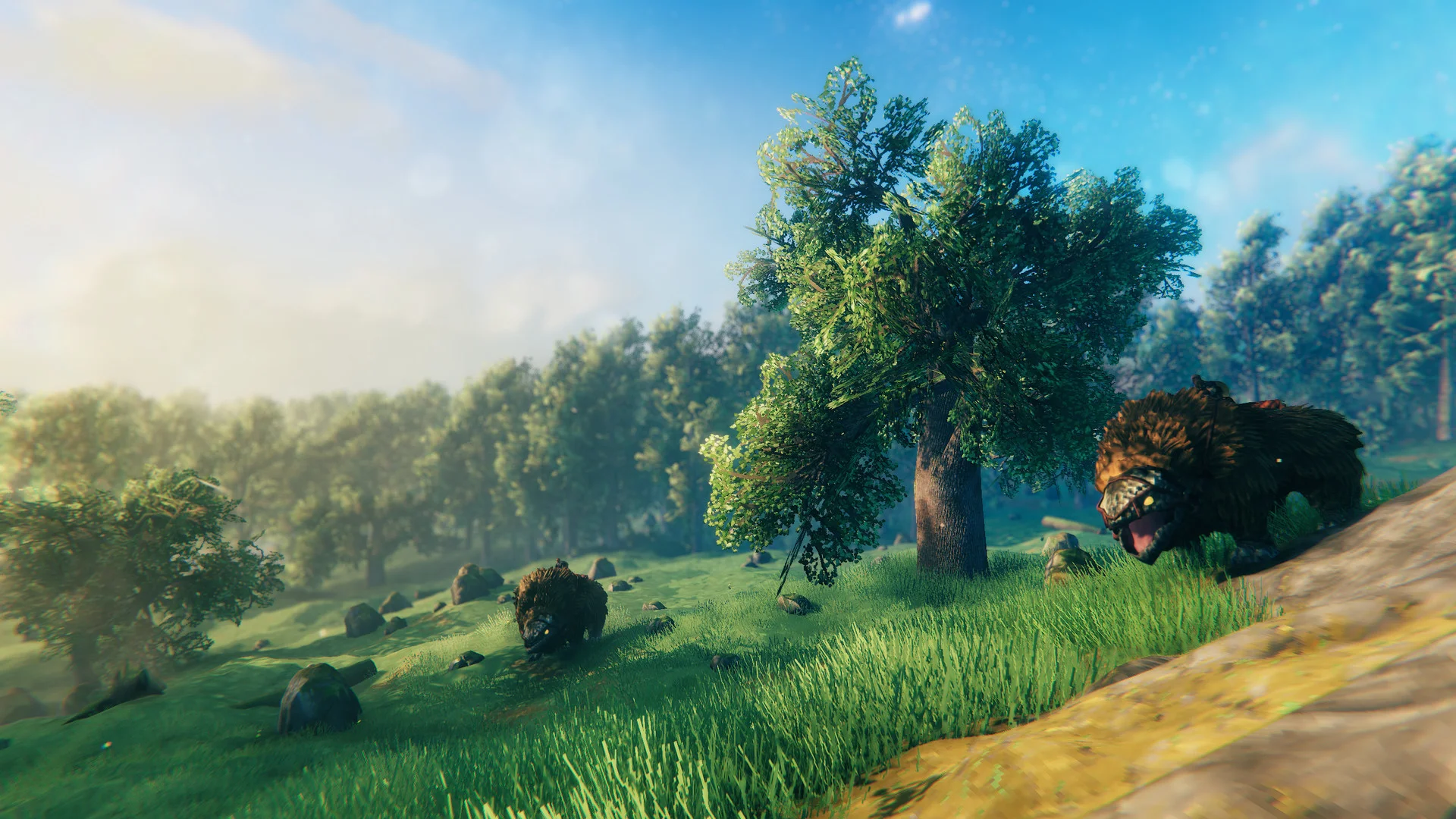
A patch of Meadows that sits right against a Black Forest is still the best opening base in 2026, and it is where we tell every new crew to settle on a fresh server. The Meadows are safe enough to learn in, the bordering Black Forest puts copper and tin a short walk away, and a central world position keeps your later sailing manageable. You want the calm of the Meadows for your hearth and the Black Forest on your doorstep for your first real metal.
Why it works on a server:
- Low-threat Meadows fauna means fewer aggressive mobs pathing into your loaded zone
- Flat-ish Meadows ground means little terraforming, which keeps the world cheap to simulate
- A central spot shortens every future voyage, so less of the map is loaded in transit
Settle a new server's crew here. They survive the early Greydwarf raids, and your performance stays clean while nobody is digging giant moats yet.
Best Resource Hub: A Coastal Base With a Dock
The single most underrated base trait in Valheim is a good harbour. Because ore and metal bars cannot travel through portals, your whole progression is gated by boat trips, and a base with deep-water access for a Longship turns those runs from a chore into a quick sail. A coastal Meadows base with a dock, ideally near where Black Forest and eventually Swamp coastline meet, is the most efficient main base in the game.
For server owners, a coastal main is also a kinder build. You sail to resources instead of carving roads and bridges across the terrain, which means less terraforming and a lighter world. Let the ocean be your road and your hardware thanks you.
Best Forward Base: On the Edge of a Swamp
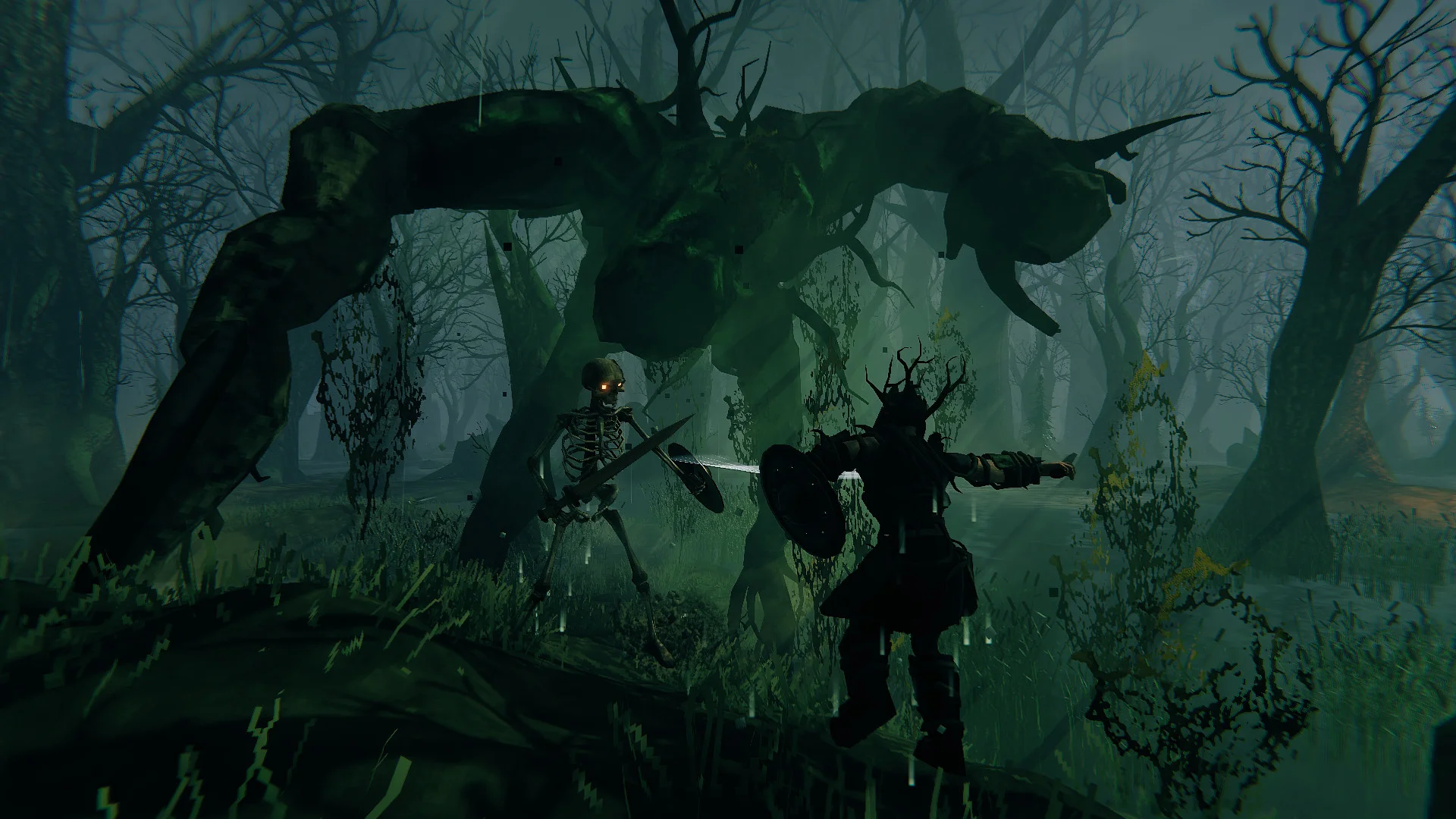
Iron is the wall that stops most crews, and it lives in the Swamp, locked in Sunken Crypts. A small forward base on the coast at the edge of a Swamp, with a dock to ship the iron home, saves enormous time over sailing back and forth from your main. Keep it lean: a workbench, a portal for yourself (not the ore), a bed, and a wall.
The Swamp is hostile, so this is an outpost, not a home. On the servers we host, the disciplined crews keep the Swamp base tiny and temporary, which is also the server-friendly choice: a two-wall outpost loads almost nothing, while a fortified Swamp palace next to constant Draugr and Leech spawns is both dangerous and a needless load.
Best Mountain Outpost: Silver Country
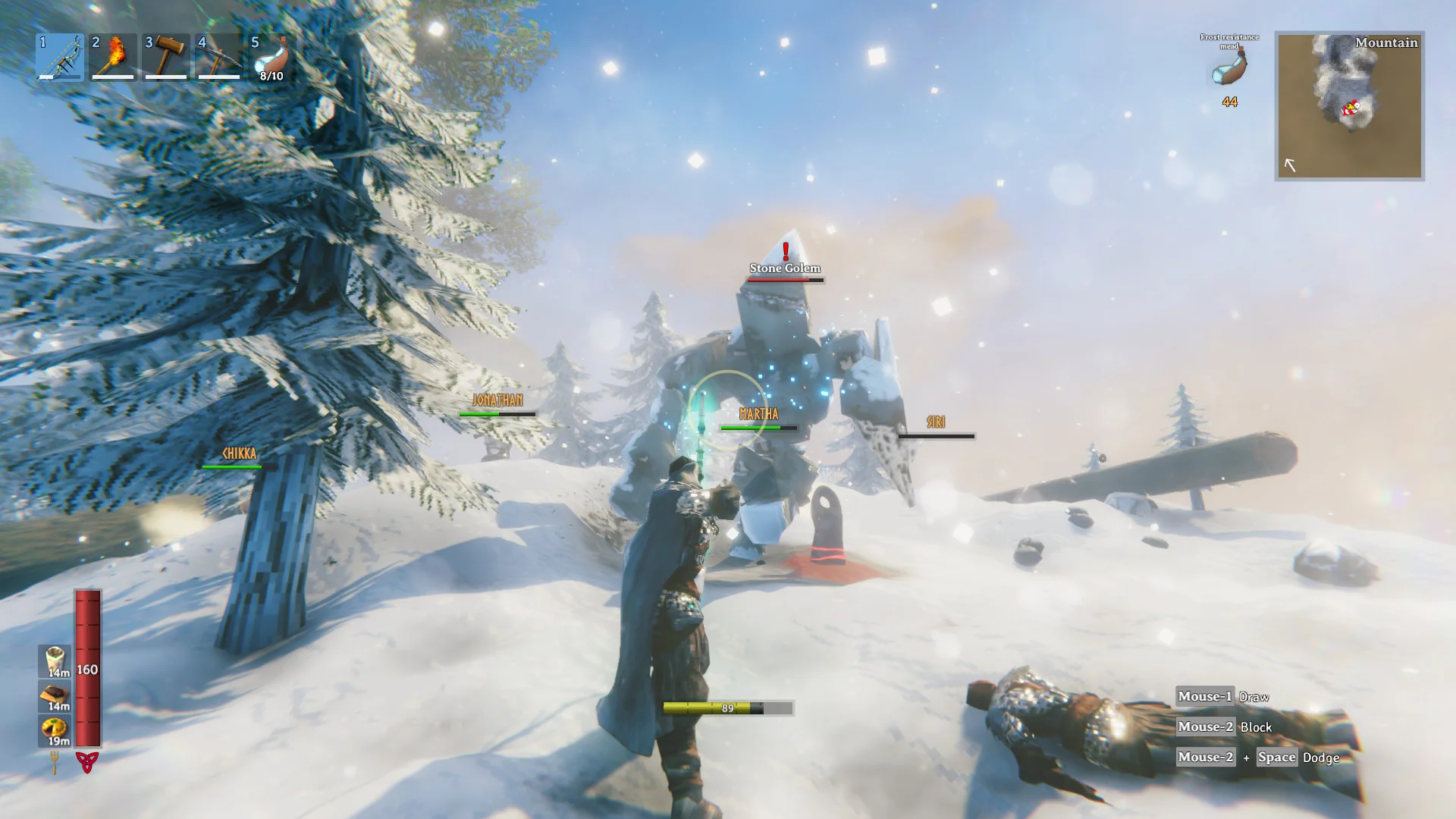
Silver comes from the Mountains, dug up under the snow and guarded by Drakes, Wolves, and the occasional Stone Golem. A small outpost just inside a Mountain biome, with frost-resistance sorted, lets you mine silver and ship it down to the coast without a long overland haul. Like the Swamp base, this is a purpose-built forward camp, not your main.
The Mountains are also where a lot of crews start terraforming to flatten a mining spot, so keep it minimal. A few support pieces and a small platform cost the server almost nothing. Levelling a whole mountainside is exactly the kind of terrain editing that turns a smooth world into a stuttering one.
Best Defensible Base: Walls, Not Earthworks
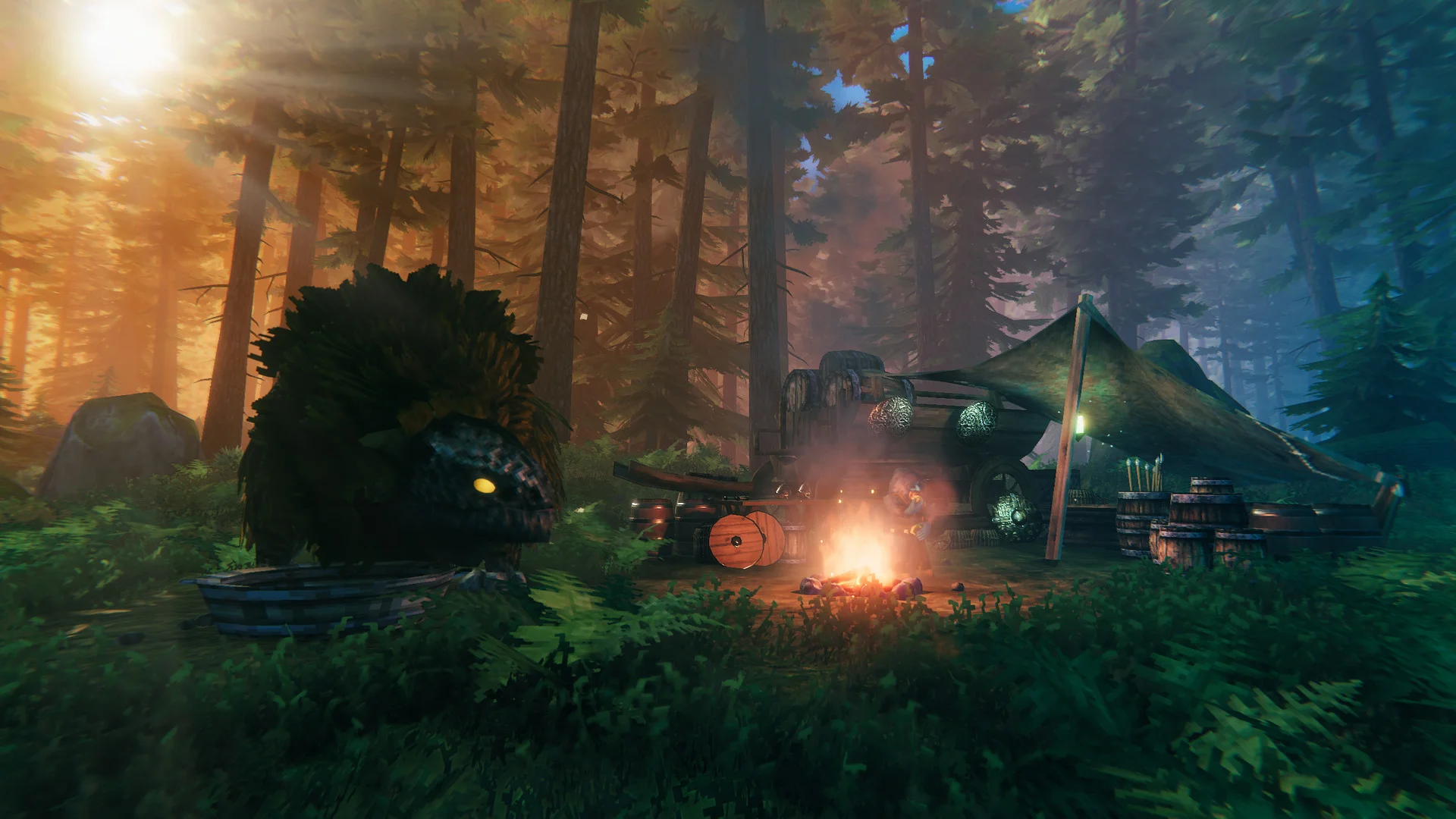
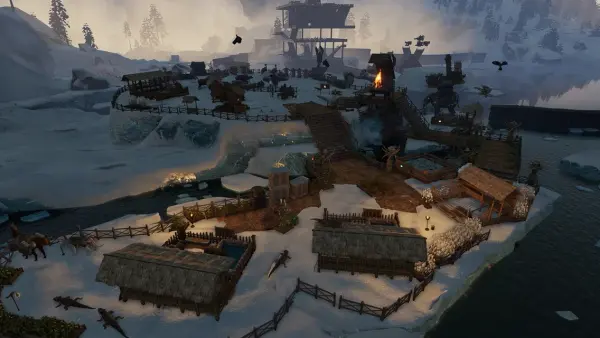
The classic Valheim defense is a dug moat and a raised earth wall, and it works in the game. The problem is what it does to a server. Heavy terrain modification is the number-one performance drain on a multiplayer Valheim world, so the most server-friendly strong base uses stake walls, stone walls, and a sharp-stakes perimeter instead of carving the landscape. A natural feature (a cliff, a peninsula, a small island) that does the walling for you is the best of both worlds: defensible and cheap to simulate.
If you do dig a moat, keep it modest. One tidy trench is fine. A sprawling, multi-layer earthwork around a giant base is the build that shows up in our support tickets as a laggy world.
Locations to Avoid
- A base ringed by heavy terraforming: the single biggest performance drain on a Valheim server
- Deep inland with no coast: every metal run becomes an overland slog and you end up carving roads, which is more terraforming
- Right on a boss altar or a heavy spawn zone: constant mob pathing and event pressure for no benefit
- A fortified palace in the Swamp or Plains: maximum danger, maximum load, when a lean outpost does the job
Server Settings That Change the Best-Base Calculus
The right location depends on your world and server settings:
- Raids and events on (default): pick a spot you can wall with stakes and stone, and lean on natural barriers
- No-build-cost or creative testing: still avoid mass terraforming, the performance cost is the same regardless of material cost
- Portal-restricted or hardcore world modifiers: ocean access matters even more, prioritise the coastal main
- Large crew: cluster in one well-placed coastal main rather than scattering terraformed bases across islands
On DoomHosting Valheim servers you can change world modifiers, combat difficulty, raid frequency, and portal rules from the Pterodactyl panel without a restart, so test how a location plays under your own settings before the crew commits to it.
Host Your Valheim Server with DoomHosting
Rent a dedicated Valheim server from DoomHosting on Ryzen 9 hardware with full FTP access, DDoS protection, one-click backups, and 24/7 support. Adjust world modifiers, raids, and difficulty from the panel, and host in North America or Europe for the lowest ping. Whatever spot you pick, build smart: the best base in Valheim is the one your server can simulate smoothly for the whole crew, which usually means the one with the least dug-out earth, not the most.